Use tide as access context
A predicted low tide may expose more search area, but waves, weather, daylight, cliffs, and local closures still determine whether conditions are safe.
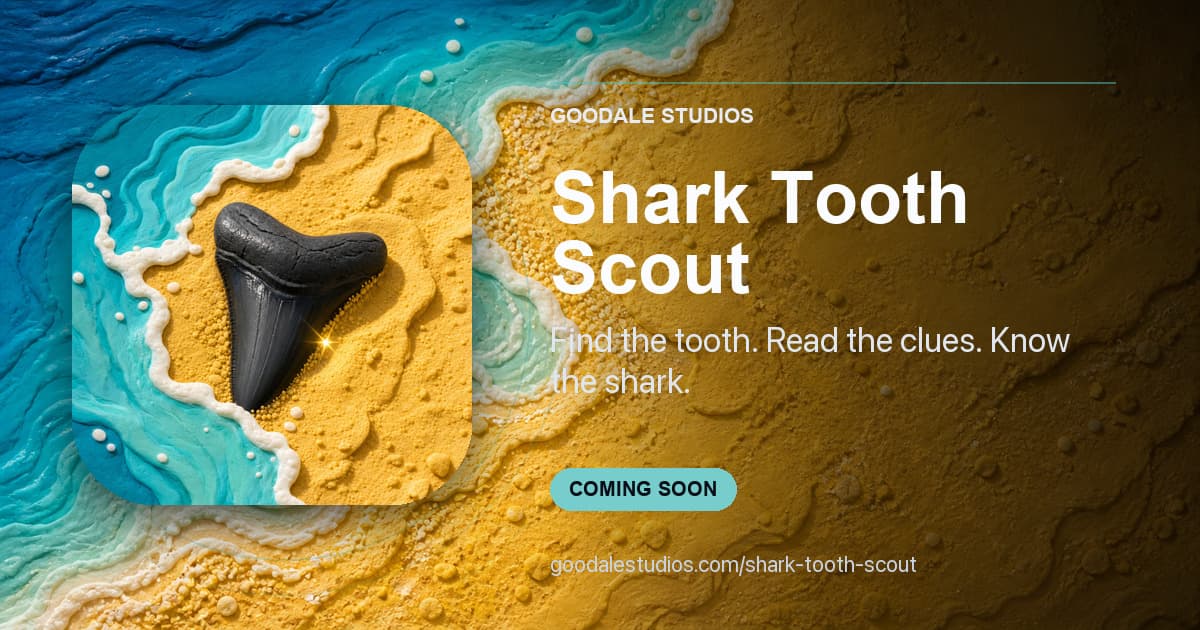
Photograph before heavy cleaning
Document the original surface and context before altering a find. Avoid destructive cleaning methods that remove useful evidence.
Compare multiple traits
A triangular crown alone is not enough. Support from several independent features produces a more responsible field assessment.
Protect precise locations
Share coordinates only when appropriate. Sensitive fossil sites, private property, and protected areas should not be exposed through a casual report.
Common mistakes to avoid
These shortcuts weaken the Shark Tooth Scout experience or create expectations the product is not designed to meet.
- Collecting where rules prohibit it
- Turning an app comparison into a formal taxonomic claim
- Hunting below unstable cliffs or in dangerous surf
- Uploading or sharing a private find location without considering the consequences
Build the next session from evidence
A strong field record preserves the find, documents the visible evidence, states uncertainty clearly, and can be reviewed later without relying on memory.
After each session, choose one thing to preserve and one thing to adjust. That small review keeps Shark Tooth Scout focused on its real purpose rather than turning the app into another collection of screens.